Guides & Instructions
These guides bring together Chroma’s foundational educational materials—covering how fluorescence works, how optical filters are specified, and how to clean, handle, and orient filters correctly. Whether you’re setting up a fluorescence microscope, designing an optical system, or just getting familiar with thin-film filters, this page connects you to the core references you need.
Featured Guides
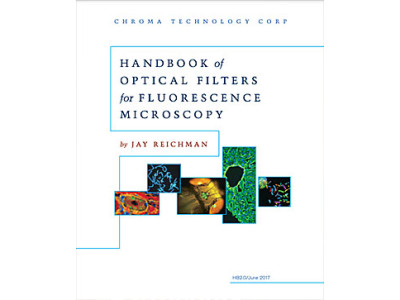
Handbook of Optical Filters
A comprehensive handbook on optical filters for fluorescence microscopy, including design principles, filter terminology, and system-level considerations.
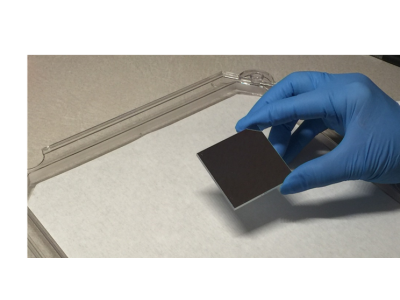
Cleaning and Handling Filters
Best practices for safely handling, cleaning, and storing Chroma filters to protect coatings and maintain long-term performance.
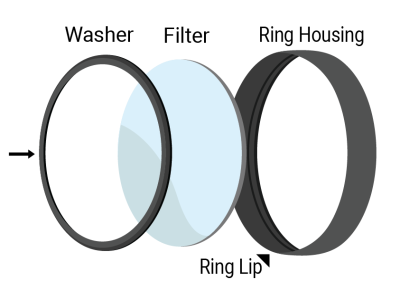
Filter Orientation Guide
How to identify filter surfaces and orient filters and dichroics correctly for best performance.
Additional Guides
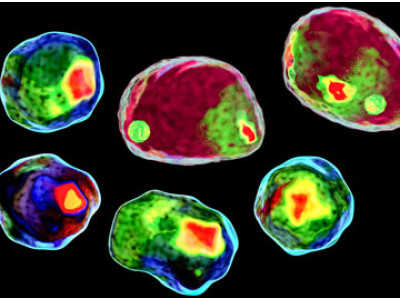
About Fluorescence
A structured series that explains the fundamentals of fluorescence, filter behavior, optical properties and specifications, and how filters interact with microscopes, light sources, and detectors.
Glossary & Terminology
Definitions of common optical terms used across fluorescence, imaging, and thin-film optics.
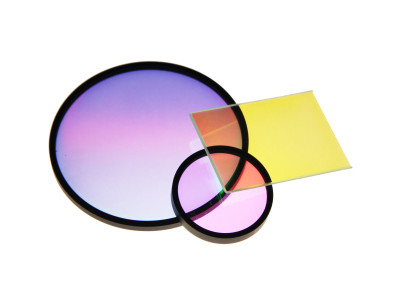
Optical Filters 101
Printable pamphlet with the basics of optical filters and their applications.
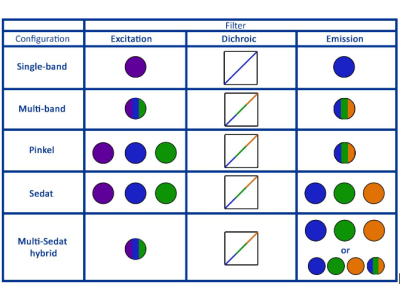
Setups for High-Speed Multi-color Fluorescence Imaging
Learn how different fluorescence filter configurations, including Pinkel, Sedat, and others, can balance imaging speed and fluorophore specificity in high-speed multicolor live-cell microscopy systems.

ZT vs T Dichroic Mirrors: Choosing the Right Option
When designing a fluorescence or analytical optical system, the dichroic beamsplitter plays a central role. Learn more about our ZT and T Dichroic Mirrors.
Instructions
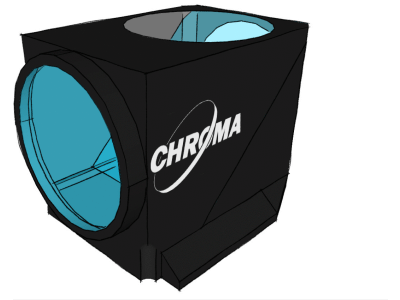
Cube Assembly Instructions
Optical cubes serve as conductors guiding excitation and emission light through precisely arranged filters and mirrors. Correct assembly ensures accurate spectral performance.
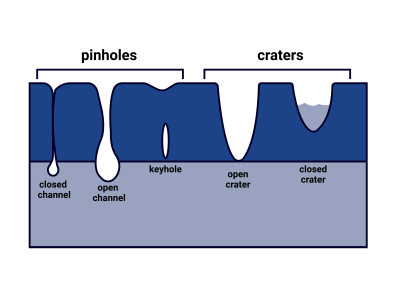
Pinholes in Optical Coatings: Causes, Effects, and Solutions
Pinholes are tiny defects that can form in the coating process. While they may be small, their effects can be significant, leading to issues such as light leakage or reduced durability.
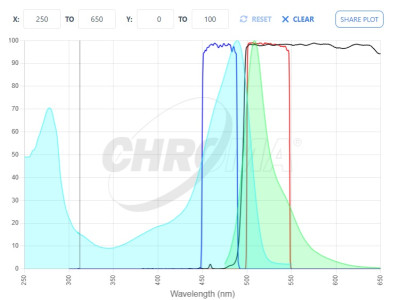
Tools & Calculators
Interactive tools that help you explore spectral performance and identify the right filters for your application.
Still Need Help?
If you have questions about filter specifications, system design, or how to apply these guides to your workflow, we’re here to help.
FAQs – Common questions about optical filters and system design.
Contact Technical Support – Get application-specific guidance.
Support Center – Explore all support resources, documentation, and contact options.